The Florida West Coast retirement dream is losing ground to the East Coast, and the data backs it up. Port St. Lucie saw a massive surge in retiree migration last year, while Palm Coast ranked among the top 5 nationwide destinations.
Most people assume the West Coast dominates. Naples, Sarasota, Fort Myers. But the East Coast has been quietly taking retirement market share for good reasons. Costs are lower for comparable quality, proximity to the Northeast makes family visits easier, and the infrastructure is less crowded.
Below is a breakdown of the top seven cities, ranked by migration data, real estate pricing, lifestyle amenities, healthcare quality, and what retirees actually say when they make the move. Stay through to the end, because number one is not the obvious choice.
7. Jupiter and Palm Beach Gardens
Jupiter sits at the premium end of East Coast retirement. Entry level home prices run in the mid-$600s. Getting into the most desirable areas typically means spending $1M or more, with neighborhoods like Admiral's Cove reaching $6 million with six figure mandatory club buy-in – and prestigious golf communities can run $20-32M!
The lifestyle appeal is real, with over 160 golf courses within 20 miles, a strong dining scene, and Jupiter Medical Center opening a new 92-bed Patient Care Tower in early 2026. That said, Jupiter is best suited for retirees with significant financial flexibility. Seasonal congestion, coastal insurance costs, and high entry pricing make it a tough fit for those on fixed, moderate incomes.
6. Melbourne, Satellite Beach and Palm Bay (Space Coast)
The Space Coast offers beach lifestyle with actual affordability. Brevard County's median for single-family homes sits in the mid-$300s and runs to $1M+ and the condo market runs around the low $300s to well over $1M.
The area covers 72 miles of coastline and holds a real claim as the surf capital of the East Coast. The Indian River Lagoon, NASA and SpaceX proximity, and a genuine outdoor recreation culture make it appealing for active retirees. The tradeoff is a more commercial, suburban feel compared to places like Vero or Stuart, and higher hurricane exposure due to the Atlantic orientation.
5. Stuart and Jensen Beach (Treasure Coast)
Stuart is the upscale, small-town retirement destination a lot of people picture when they imagine retiring in Florida. The median sale price sits in the high $300s, up 47.1% year-over-year, with homes moving around 42 days on market.
What draws people here is character and deep water for avid fisherman. A walkable historic downtown, the Lyric Theatre, waterfront dining, and a 65+ population of 29.5% compared to 16.84% nationally. Addington Place of Stuart earned 2025 Best Independent Living and Best Memory Care recognition from U.S. News and World Report. Limited inventory and premium pricing compared to inland Florida are the main drawbacks, and it works best for retirees who want a sophisticated downtown rather than a resort-style mega-community.
4. Ormond Beach and Flagler Beach
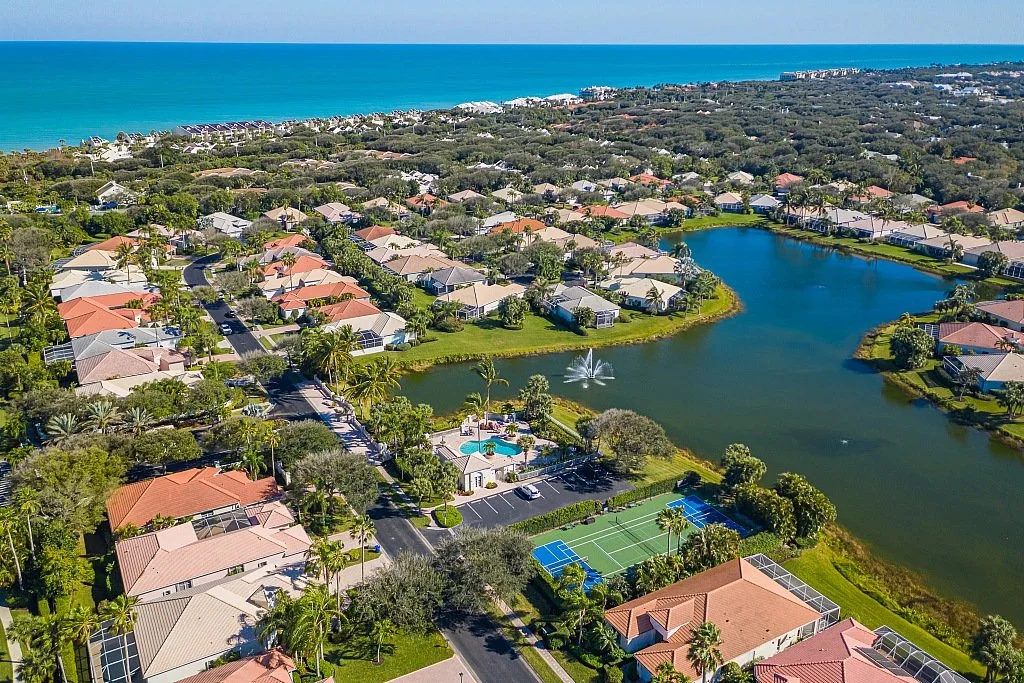
These two deliver beach town charm at moderate prices. Ormond Beach sits around the low $400s, up 12.5% year-over-year, and Flagler Beach runs in the mid-$400s.
Both are genuinely underrated for active retirees. Unspoiled beaches, the Flagler Beach Pier for whale watching from December through March, horseback riding on the beach, and Gamble Rogers Memorial State Recreation Area for hiking and fishing. Neither destination is as established as Palm Coast or Vero Beach, and retirees who want a full calendar of club activities and organized amenities may find this area too quiet. Proximity to Daytona Beach and St. Augustine fills in some of those gaps.
3. Palm Coast
Palm Coast is the value play for budget-conscious retirees who want planned community living done well. Median home prices sit around the mid-$300s, and with homes averaging over 100 days on market, there's no pressure to rush a decision.
The community is purpose-built for active adults, with Grand Haven Golf Club, the Jack Nicklaus-designed Ocean Course at Hammock Beach Resort, and organized activities throughout the year. moveBuddha ranked Palm Coast fifth nationwide for retirement migration, with a 70% increase in move ratio year-over-year. The HOA structure comes with real fees and rules, the dining scene is casual rather than upscale, and most properties sit inland. For retirees who want affordability and organized community structure, it delivers.
2. Vero Beach
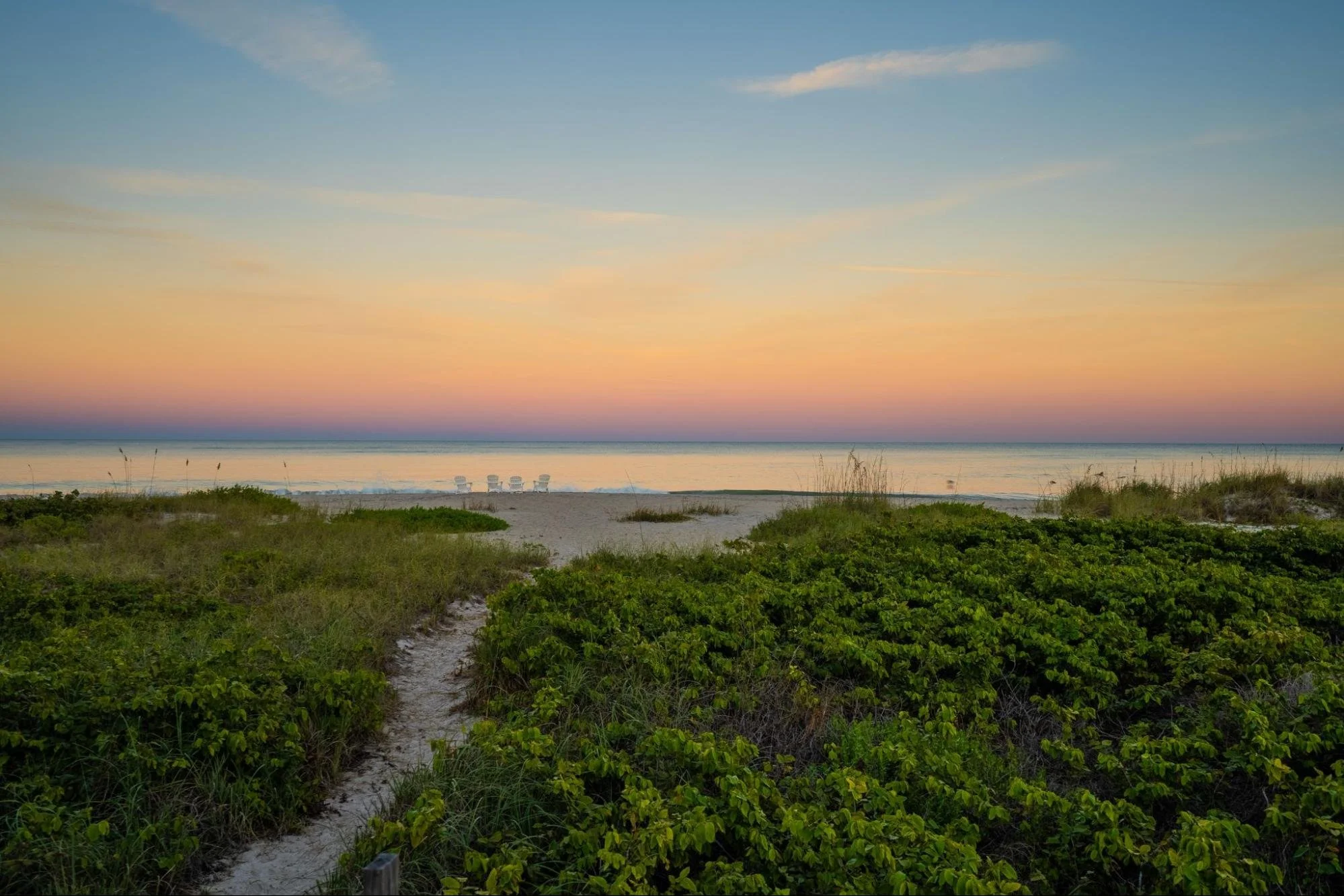
Most people overlook Vero Beach. They shouldn't.
Overall median prices sit in the low $300s, and the cost of living runs 4% below the national average and a whopping 40% below South Florida communities like Stuart, Jupiter, Boca, Delray Beach + Palm Beach. The cultural scene is legitimately impressive for a city its size, with Riverside Theatre hosting over 300 events annually, the Vero Beach Museum of Art rotating national and international exhibits, and the Under the Oaks Art Show drawing over 50,000 people each year.
Healthcare is the real differentiator. Cleveland Clinic Indian River Hospital holds a Forbes 5-star rating, making it one of only 11 Florida hospitals to earn a 5- or 4-star designation and the only Treasure Coast facility with a top ranking in the Cleveland Clinic Florida system. Barrier Island pricing and higher flood and wind insurance costs are the main caveats. For retirees who want healthcare excellence, cultural depth, and a slower, stable pace of life, Vero Beach is hard to argue against.
1. Port St. Lucie
Port St. Lucie earns the top spot because the migration data makes the case clearly. moveBuddha ranked it second nationally for retirement migration, with a 72.4% increase in move ratio year-over-year and a jump of 113 places in national rankings in a single year.
Median home prices sit in the low $400s, with price per square foot in the low $200s. Valencia Parc at Riverland is the newest 55+ community on the East Coast, with a 51,000 sq ft Wellness and Fitness center. Catalina Palms at Sundance opened in January 2026 with the 42,000 sq ft Club Catalina. Flood insurance averages $514 per year, one of the lowest figures on the East Coast, and most areas sit outside high-risk flood zones.
Port St. Lucie is large and suburban, and it doesn't carry the cultural identity of Vero Beach or the downtown sophistication of Stuart. For retirees who want affordability, modern amenities, and a well-funded planned community, it's the strongest option on the East Coast right now.
What the Data Shows
Budget-conscious retirees are landing in Palm Coast and Port St. Lucie. Lifestyle-focused retirees with more flexibility are choosing Vero Beach and Stuart. The clearest pattern across all seven cities is that places delivering real quality without the premium attached to name recognition are seeing the strongest migration numbers.
Where you land depends on what you're optimizing for. Fixed income with a community focus points toward Palm Coast or Port St. Lucie. Upscale living without West Coast prices points toward Vero Beach or Stuart. Airport convenience is strongest in Melbourne or Jupiter. A quieter, more intentional pace of life keeps coming back to Vero Beach.
Every one of these markets behaves differently, and the right fit depends on specifics no ranking can fully account for. Contact The Daley Group and we'll walk through what actually fits your situation.