Cash buyers are dominating Vero Beach's barrier island while builders in Palm Coast are competing hard with nonstop incentives. Same coast, completely different reality. Here's a breakdown of the 5 coldest markets and the 5 hottest markets on Florida's East Coast right now, from Palm Coast down to Jupiter, so buyers and sellers both know exactly where the leverage sits.
Understanding Months of Inventory
Before getting into the markets, one number explains everything: Months of Inventory, or MOI. It tells you how long it would take to sell every active listing if no new homes came onto the market. Florida as a whole currently sits around 5 months, which puts it close to balanced territory. But individual East Coast markets range from under 3 months to over 10, and that gap is where strategy lives.
Under 3 months means sellers are in control. Three to 5 months signals a balanced market. Over 6 months, buyers hold the leverage. Once you understand MOI for a specific area, everything else follows.
The 5 Coldest Markets
Cold Market #5: Palm Coast New Construction Corridors
Palm Coast went from pandemic favorite to one of the clearest buyer's markets on the East Coast. Months of inventory is pushing past 6, builders are competing with each other on the same streets, and resale sellers are going up against rate buydowns, closing cost credits, and free upgrades that most individual sellers simply can't match.
The median sale price sat in the mid-$300,000s in December, up just 1.4% year-over-year, while days on market stretched to 110. About half of all listings have seen price reductions. Move-in-ready homes with updated kitchens and fresh finishes are selling in 70 to 80 days. Comparable homes with dated fixtures and worn carpet are sitting for 140 days or more. Condition still matters here, but pricing aggressively from day one is no longer optional.
Cold Market #4: Fort Pierce and Port St. Lucie High-Rise and Waterfront Condos
Post-Surfside legislation changed the condo market significantly. Buildings over 30 years old, or 25 years if coastal, now face required inspections and fully funded reserves. Special assessments are hitting owners in older buildings, property insurance premiums keep rising and rolling into HOA budgets, and the result is monthly payment shock that buyers didn't see coming a few years ago.
FHA approval covers fewer than 1% of Florida condo projects, which pushes first-time buyers out entirely. The effective buyer pool for condos with $500 to $800 HOA fees has shrunk to people who can absorb those costs on top of a mortgage, and that's a much smaller group than it used to be. Downtown and waterfront condos are sitting longer than single-family homes across this corridor, and the gap is widening.
Cold Market #3: Sebastian Mainland Dated Homes Over $600K
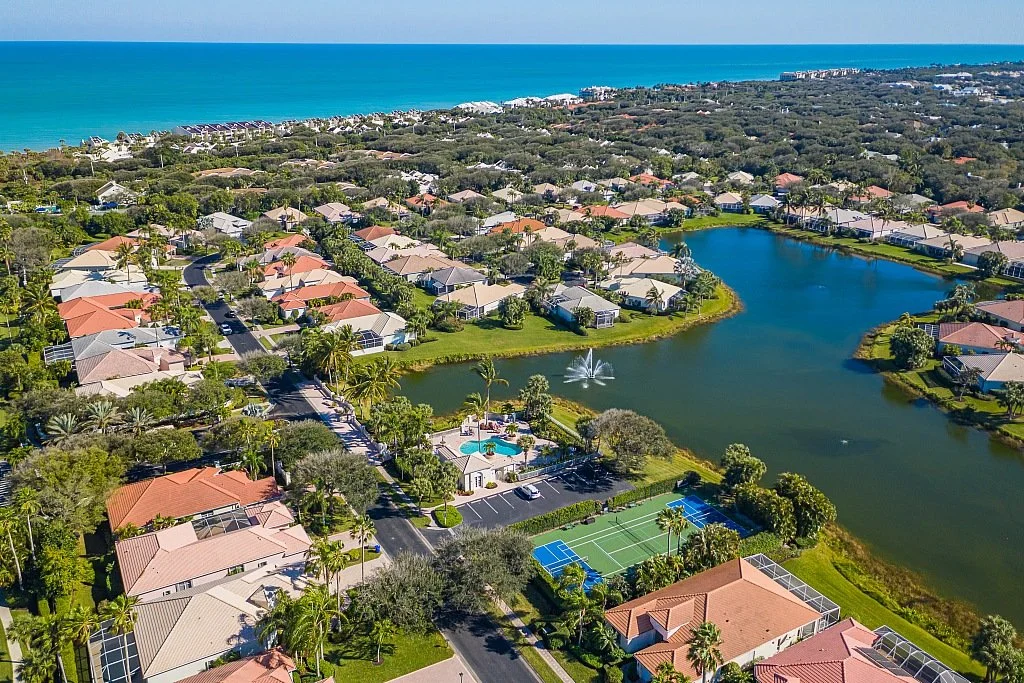
Sebastian has genuine small-town appeal, but that appeal has real limits once prices climb past $600K. At that price point, buyers expect waterfront access or a fully updated home. Properties that deliver neither are sitting 100 days or longer, often ending in reductions. Buyers in this range have options nearby with better amenities and aren't willing to pay a premium for a renovation project. The city performs well at entry-level prices and runs into consistent resistance above them.
Cold Market #2: Melbourne and Palm Bay Suburban Sprawl Pockets
The outer pockets around Melbourne and Palm Bay are a lesson in what happens when a location doesn't deliver on its coastal promise. Heavy new construction in outlying areas has created oversupply, and resale homes have to price well below new construction just to compete. Some pockets are pushing past 7 months of inventory. Longer drives to the beach and downtown reduce the lifestyle appeal, and builders control the conversation with incentives that resale sellers can't replicate. Buyers in these areas expect clear value pricing or they simply move to neighborhoods with better coastal access.
Cold Market #1: Dated Luxury Homes $1.5M+ Across All East Coast Markets
This is the coldest segment on the entire coast, and the pattern holds regardless of location. High-net-worth buyers at luxury price points expect turnkey condition. Homes priced over $2M with 1980s or 1990s finishes draw very small buyer pools, and many are sitting 120 to 180 days before eventually selling 8% to 12% below original list price after multiple reductions. Buyers at this level won't overlook dated kitchens or deferred maintenance, and they don't need to, because there's always a newer option available. The contrast with Vero Beach's barrier island at similar price points is striking, and that's where the hot markets begin.
The 5 Hottest Markets
Hot Market #5: Cocoa Beach and Cape Canaveral
The Space Coast has a stable employment base that tourism-driven markets can't match. With SpaceX, Blue Origin, and NASA all expanding, aerospace jobs are supporting consistent buyer demand. The median sale price is holding around the mid-$300,000s, up about 0.9% year-over-year. Homes are selling in around 80 days, sales-to-list ratios are near 97%, and Brevard County's active inventory is trending downward. Updated homes under $500K are moving quickly because buyers feel financially secure. That confidence drives action in ways that markets relying on seasonal visitors simply don't see.
Hot Market #4: Indian River Shores
Indian River Shores sits on the barrier island between Vero Beach and Sebastian, has fewer than 4,500 residents, and new listings are genuinely rare. Strict development rules keep supply permanently tight, many homes trade off market before ever reaching the MLS, and when a listing does hit, cash buyers move fast. The private, low-density character appeals directly to high-net-worth buyers who aren't interested in busier markets. Scarcity plus wealth makes this one of the tightest markets anywhere on the East Coast.
Hot Market #3: Stuart and Jensen Beach (Martin County)
Nearly half of all sales in Martin County are cash transactions, which explains why this market stays stable even when mortgage rates move. Inventory in December 2025 sat at about 800 active listings, down over 5% from the prior year. Single-family supply sits around 4.5 months, pointing to seller-favorable conditions. Single-family homes are averaging 45 to 55 days on market. Buyers relocating from Palm Beach County, priced out of their previous neighborhoods, are landing here in significant numbers. Sailboat culture, a walkable downtown, lighter congestion, and strong medical facilities give this market a lifestyle foundation that holds up well.
Hot Market #2: Jupiter and Palm Beach Gardens (Northern Palm Beach County)
Jupiter keeps attracting high-income relocators from the Northeast and California, and the fundamentals behind that trend are solid. Strong schools, beaches, golf, and medical facilities are all within a compact area. Cash buyers account for a large share of transactions, which cushions the market against rate fluctuations. Many pre-construction luxury projects are selling 40% to 60% of units before completion. Jupiter delivers Palm Beach-caliber living without the congestion of the island itself, and Palm Beach Gardens adds family-oriented neighborhoods with resort amenities that widen the buyer pool further.
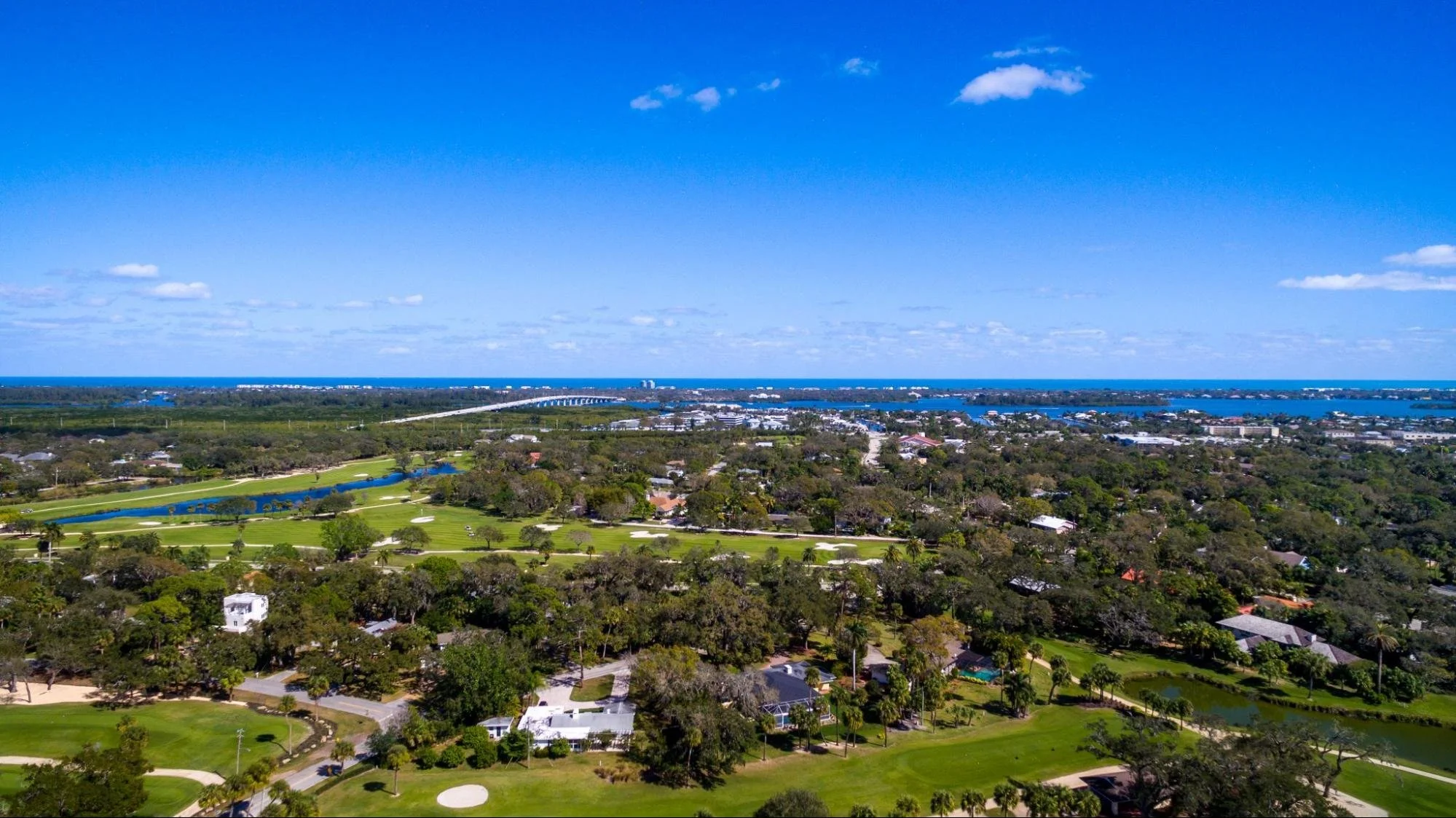
Hot Market #1: Vero Beach Barrier Island ($1.5M+)
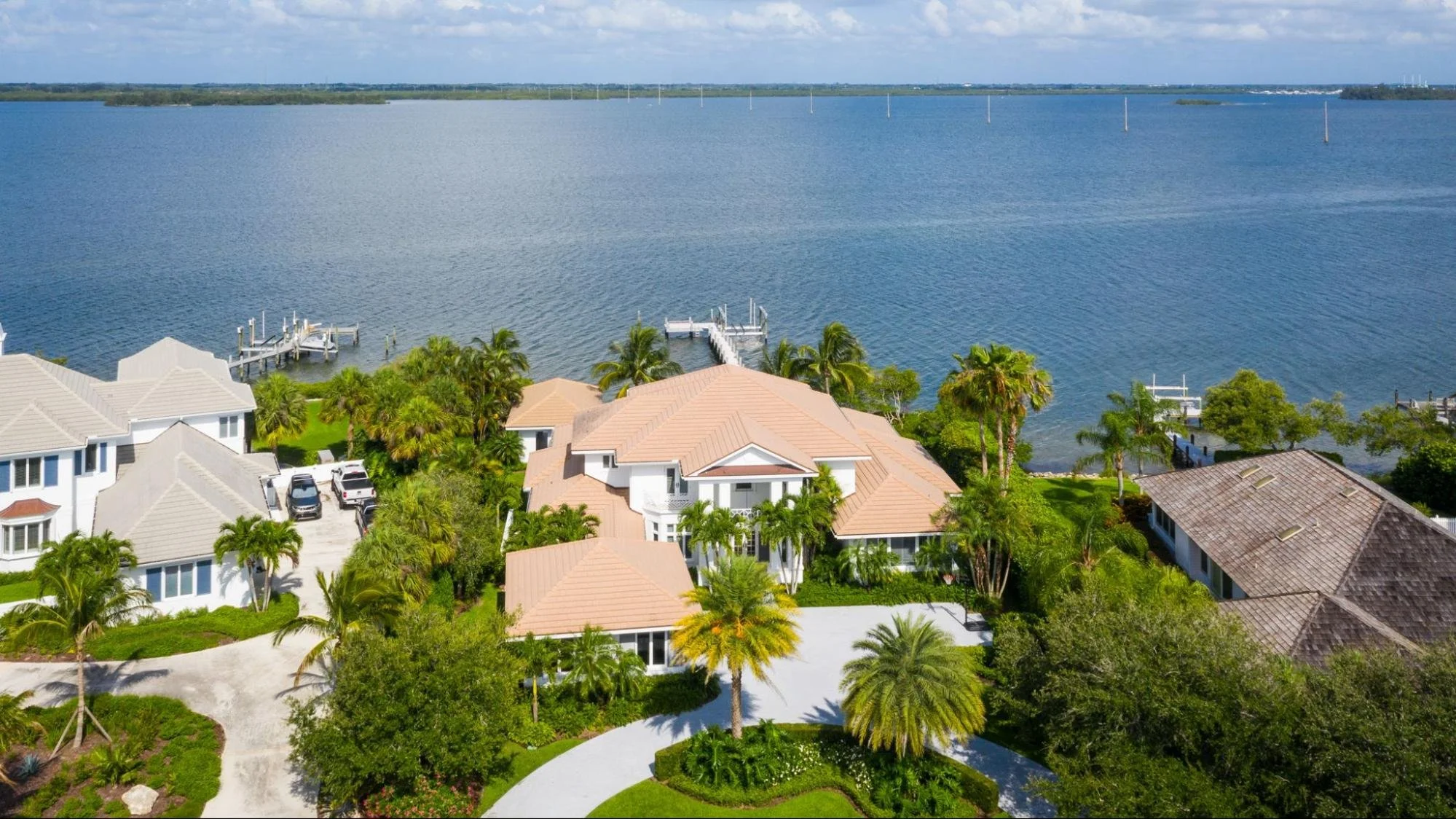
While dated luxury homes sit across the rest of the coast, Vero Beach's barrier island is moving turnkey properties fast. Nearly 63% of buyers here are paying cash, which means rate changes barely register. Supply is among the lowest on the entire East Coast at this price point, owners tend to hold for 15 to 25 years, and when something finally hits the market, it draws immediate attention from qualified buyers. Updated homes with newer roofs are going quickly, often with multiple offers. Median prices for barrier island single-family homes sit around $1.3 million, up 1% from last year, and days on market dropped from the prior year. Well-priced, move-in-ready homes are selling in 60 to 75 days.
What This Means If You're Buying
Your strategy shifts completely depending on which market you're targeting. In hot markets under 3 months of inventory, get pre-approved or have proof of funds ready before touring. Move quickly in areas like the Vero barrier island, Stuart waterfront, and core Jupiter neighborhoods. Clean contingencies and flexible closing timelines matter more than price alone in these segments, where 30% to 40% of buyers are paying cash.
In cold markets over 6 months of inventory, like Palm Coast, Melbourne sprawl areas, and the dated luxury segment, buyers hold real leverage. Focus on listings that have been sitting 90 days or more, negotiate on price, repairs, and closing costs, and push for incentives like rate buydowns or seller-paid closing costs.
What This Means If You're Selling
In a hot market, accurate pricing paired with strong presentation leads to fast sales. Overpricing still kills momentum even with low inventory, so market-level pricing is the move, not above-market pricing. In a cold market, aggressive pricing from day one is the only way to avoid extended market time and multiple reductions. Fix the obvious items before listing, paint, landscaping, and basic updates, and consider covering closing costs or offering rate buydowns for financed buyers. The math on a price reduction after 90 days almost always works out worse than pricing it right on day one.
Months of inventory tells you what game you're playing before you make a single move. If you want the current MOI numbers for the specific East Coast markets you're targeting, reach out to The Daley Group and we'll walk through exactly where your leverage sits.